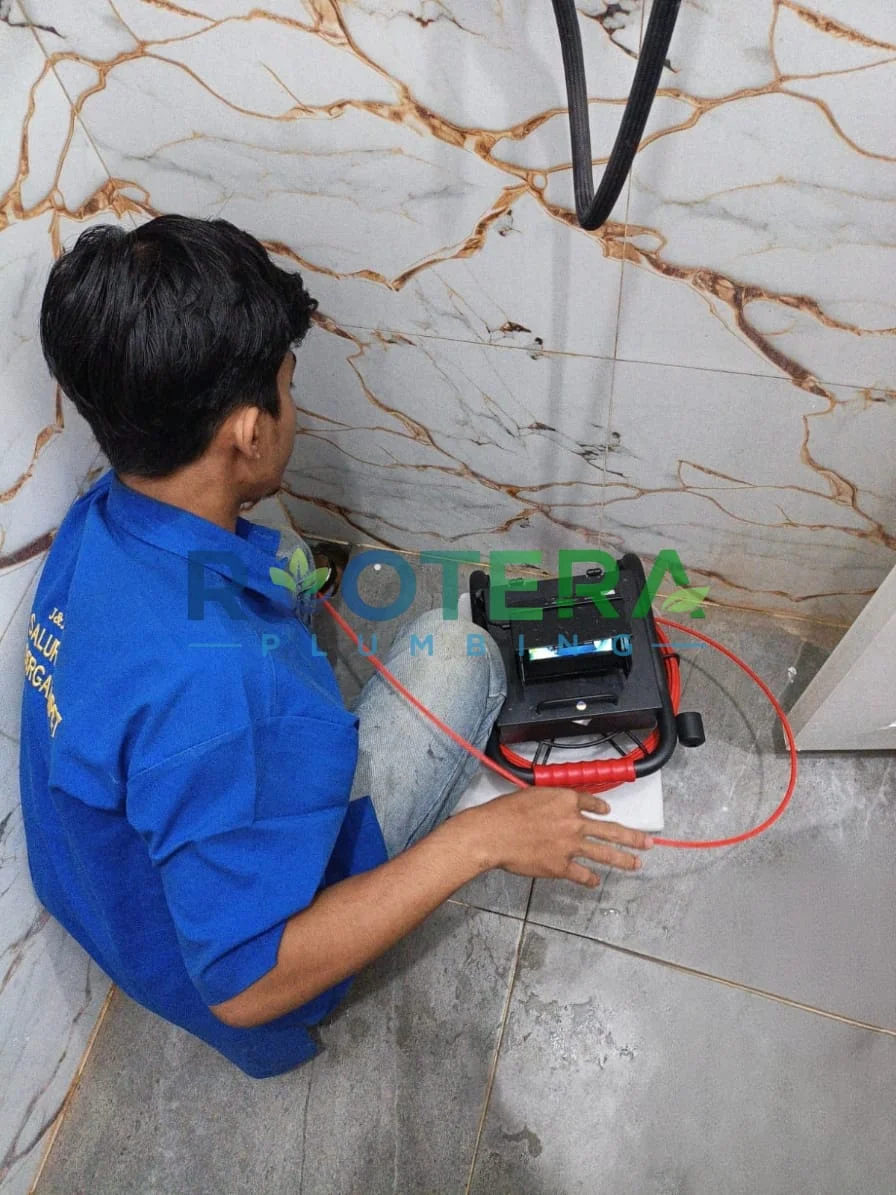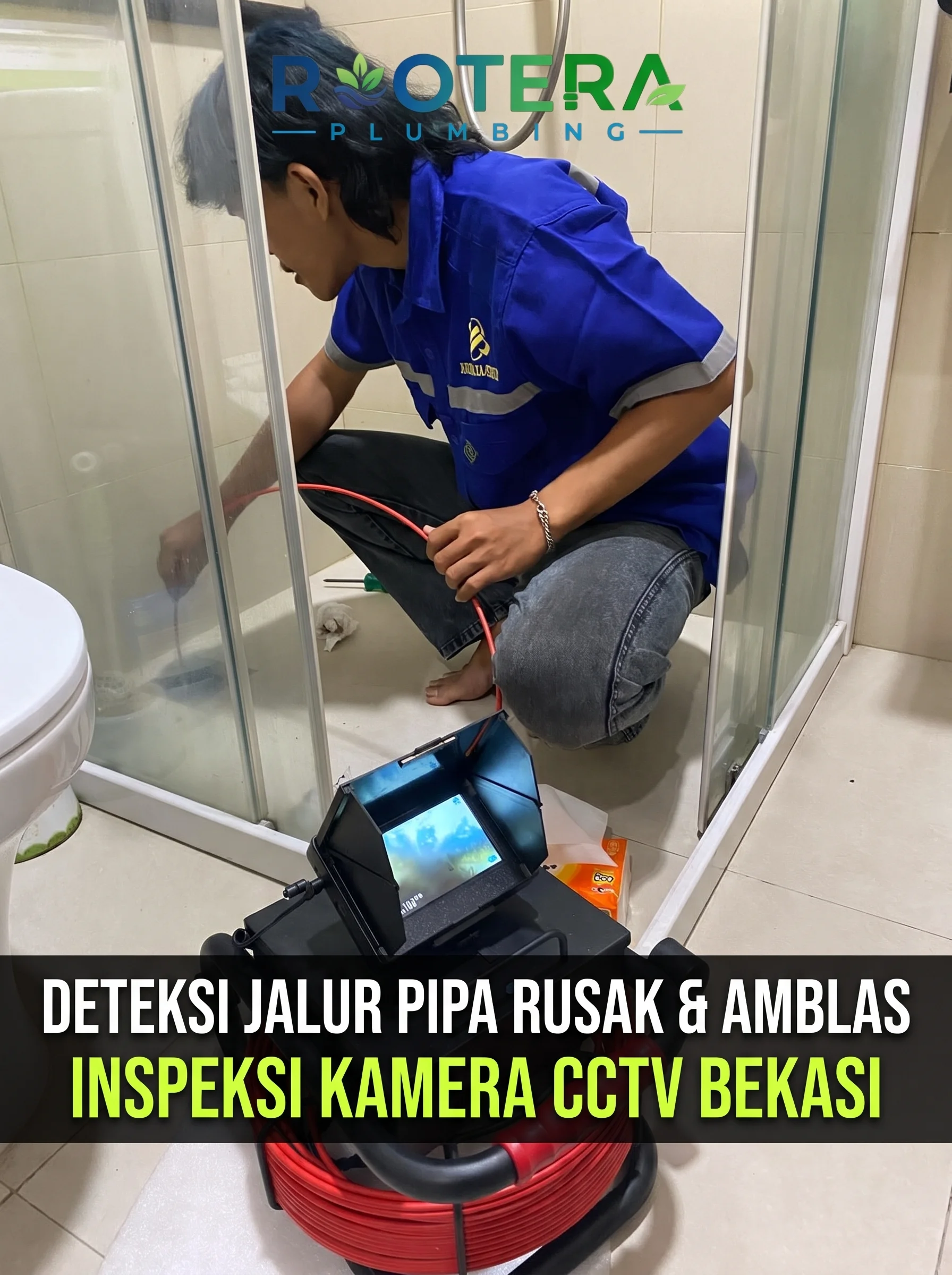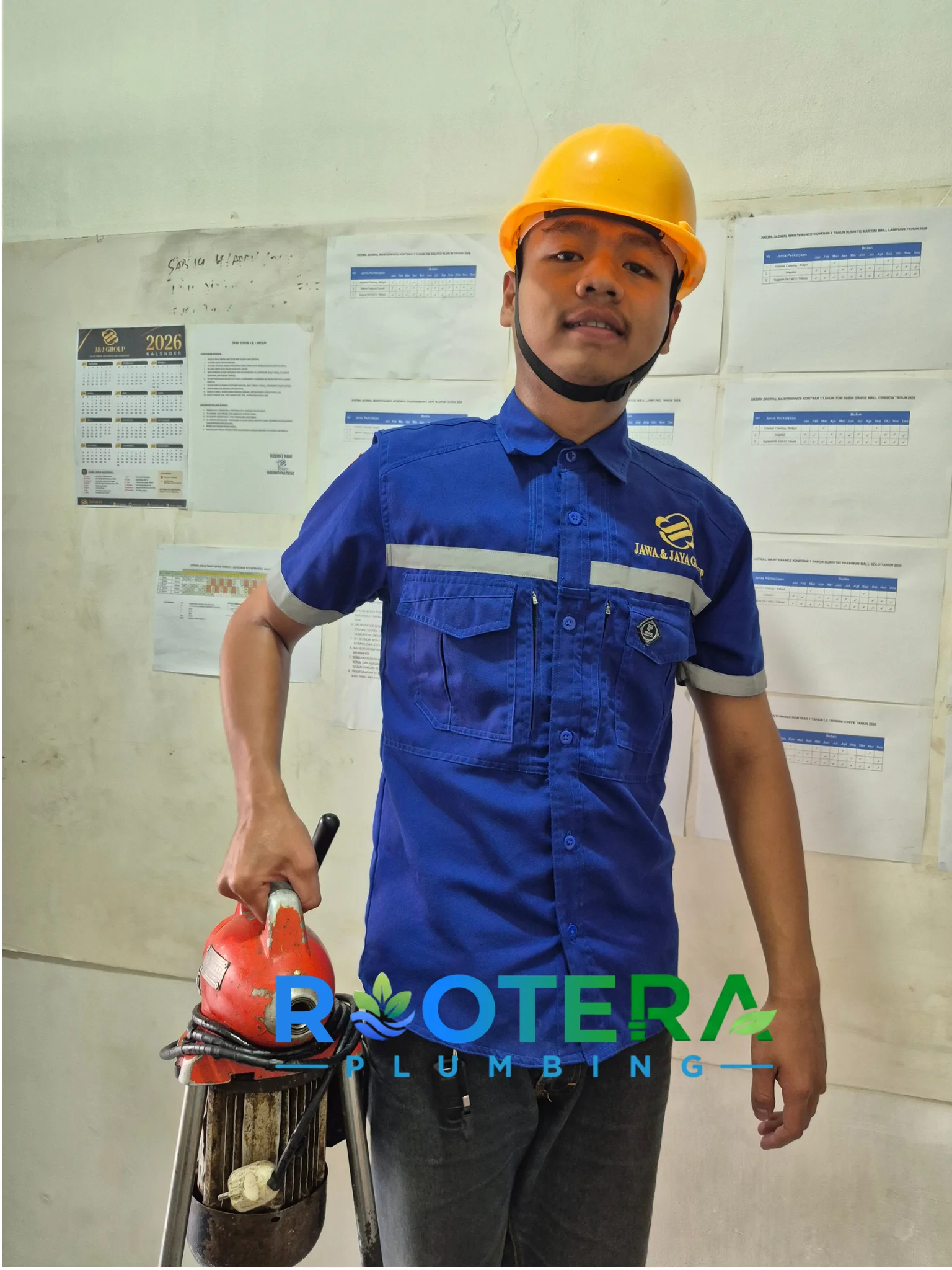
In modern sanitary engineering and plumbing maintenance, resolving severe drain clogs no longer requires tearing down concrete slabs or tearing up ceramic tiles. One of the most dependable mechanical tools recognized as a global industry benchmark is the electric spiral drain cleaner, widely known as a Ridgid machine or rooter machine.
Engineered to service various pipeline diameters, this machinery effectively scours stubborn scale, grease deposits, and foreign debris without compromising the physical integrity of PVC pipes or structural masonry.
1. What Is a Ridgid / Rooter Machine?
A rooter machine is an electrically powered mechanical device designed to rotate and feed a heavy-duty, flexible sectional spring cable through drainage pipelines. The historical term "rooter" originated from its unique capability to bore through and slice tree roots that infiltrated underground sewer conduits.
Today, Ridgid-style rooter machines serve as the primary non-destructive solution for residential homes, commercial dining kitchens, hospitality venues, and industrial complexes alike.
2. Mechanical Operating Principles Inside the Pipeline
The operational effectiveness of a rooter combines high-torque rotation with exceptional cable flexibility:
- Flexible Sectional Steel Cable: Crafted from high-tensile spring steel, the cable flexes effortlessly through sharp 90-degree elbows, bends, and directional fittings without snapping or jamming inside the conduit.
- Interchangeable Cutter Heads: Specific cutting heads are attached to the front end to counter different blockage profiles:
- Bulb / Funnel Augers: Retrieve soft physical obstructions such as textile rags, plastics, sanitary napkins, or entangled hair clumps.
- Spade / Grease Cutters: Chop, scrape, and shear solidified kitchen grease layers clinging to internal pipe walls.
- Root Cutters: Heavy-duty serrated blades that slice tree roots invading the drainage network.
- Clutch Mechanism & Manual Feeding: Allows certified technicians to regulate forward push, reverse retrieval, and rotational torque precisely, protecting older PVC lines from excessive strain.
3. Key Benefits Over Conventional Methods
Why do plumbing engineering professionals consistently select rooter equipment?
- 100% Non-Destructive: Technicians gain direct entry through floor drains, sink traps, or Clean Out (CO) ports, eliminating the need to break floor finishes.
- Extended Working Reach: Sectional cable designs allow technicians to add connecting rods incrementally, reaching deep clogs located dozens of meters away from the access port.
- Safe for PVC Pipelines: Unlike caustic chemical drain openers that generate extreme exothermic heat and risk melting pipe joints, the mechanical rotation of steel cables safely cleans without chemical corrosion.
Deploying specialized Ridgid rooter machinery operated by skilled plumbing technicians guarantees fully restored flow velocity, hygienic drain paths, and complete protection against wastewater overflows.